Table of Contents
What Are Range Ball Baskets?
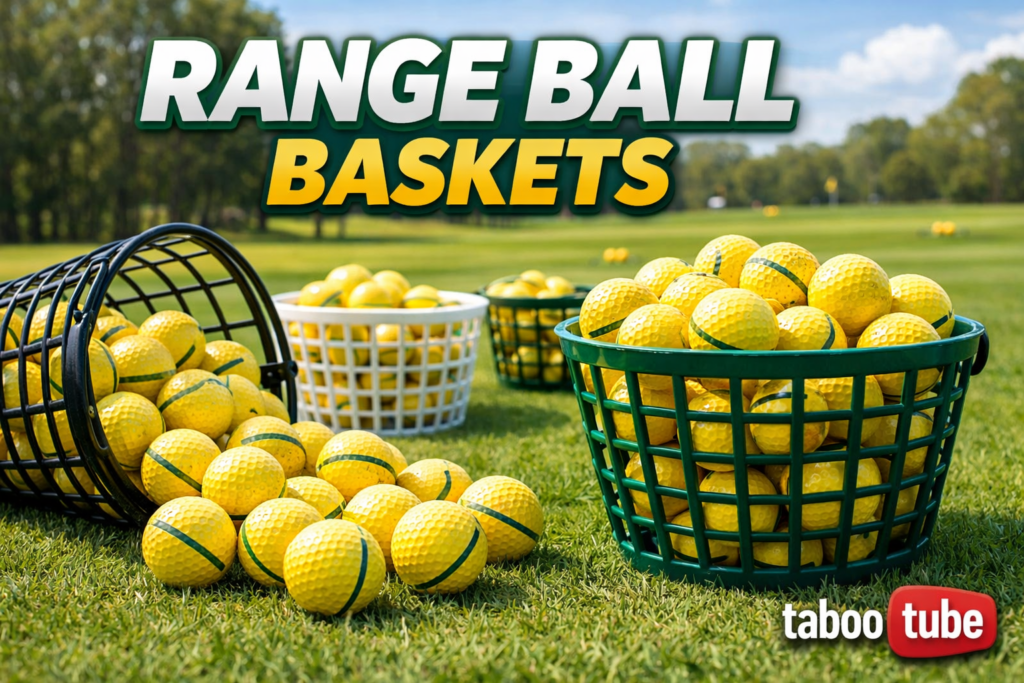
Range ball baskets are an essential piece of equipment for anyone who practices golf regularly, whether at a driving range, golf club, or even at home. Simply put, these baskets are specially designed containers used to hold, organize, and transport golf balls in a safe and efficient way. They allow golfers and coaches to keep large numbers of balls neatly arranged, making practice sessions smoother and more productive. Most range ball baskets are made from durable materials like plastic, nylon, or metal, and they often come in a variety of sizes to suit different needs—from small personal baskets that hold a few dozen balls to large commercial baskets capable of storing hundreds. The primary purpose of these baskets is to save time and energy, so golfers can focus on improving their swing, accuracy, and consistency rather than constantly collecting balls. They are also extremely helpful for instructors and range operators because they allow easy organization of balls for multiple players at once, ensuring every session runs efficiently. Beyond functionality, range ball baskets can also contribute to the safety of practice areas by reducing clutter and preventing stray balls from creating hazards. In short, a good range ball basket is more than just a container; it is a fundamental tool for serious golf practice, making it easier for golfers of all levels to maintain a consistent and productive training routine.
Why Range Ball Baskets Matter for Every Golf Practice
Range ball baskets play a crucial role in making golf practice both efficient and effective, and their importance goes far beyond just holding golf balls. When a golfer steps onto the driving range, the last thing they want to do is waste time picking up scattered balls or dealing with cluttered areas. Range ball baskets provide a simple yet highly effective solution by keeping balls neatly organized and easily accessible. This not only saves time but also helps golfers maintain focus on their swing, alignment, and shot accuracy, which are essential for improving performance over time. Additionally, having a well-organized practice setup allows golfers to track their progress more effectively. Coaches and instructors often rely on range ball baskets to quickly distribute balls to multiple players, ensuring that everyone gets enough practice without unnecessary delays. The baskets also help prevent damage to balls, as they reduce the chances of balls being stepped on, lost, or rolling into unsafe areas. For serious golfers who dedicate hours to improving their game, range ball baskets are more than just a convenience—they are a tool that supports structured, productive practice and helps maintain a professional, safe environment at driving ranges.
Beyond efficiency, range ball baskets also enhance the overall golfing experience by promoting discipline and organization during practice sessions. Golf is a sport that demands precision, patience, and consistent training, and having the right equipment, including properly sized and durable range ball baskets, can make a noticeable difference in results. They come in various materials and sizes to suit different practice needs, from small personal baskets ideal for home practice to large commercial baskets designed for busy golf clubs or professional training facilities. By using a range ball basket, golfers can focus on improving their technique, analyzing shot patterns, and experimenting with different clubs without worrying about the logistics of ball management. Furthermore, range ball baskets contribute to the aesthetics and professionalism of a practice area, giving it a clean and organized look that can positively influence a player’s mindset and motivation. Many professional golfers and coaches emphasize that simple tools like range ball baskets, when used correctly, can save significant time, reduce frustration, and ultimately help players achieve their practice goals faster. In essence, the right range ball basket is a small investment that yields substantial benefits in consistency, efficiency, and enjoyment of the game.
Range Ball Baskets Explained — Key Features & Specifications
Range ball baskets come in a variety of designs and specifications, each created to meet specific needs for golfers, instructors, and driving ranges. One of the most important features to consider is the material, as this directly impacts the basket’s durability and lifespan. Most range ball baskets are made from high-quality plastic, which is lightweight, strong, and resistant to weather conditions, making them ideal for outdoor use. Others are made from nylon or mesh, which are flexible and easier to carry but may not last as long under heavy use. Some professional-grade baskets even incorporate reinforced metal or composite frames to withstand constant handling at busy golf clubs or commercial ranges. Another key specification is the capacity, which can vary widely depending on the intended use. Small personal baskets often hold between 30 and 50 balls, providing enough for individual practice without taking up much space, while standard baskets typically hold 70 to 100 balls, which is ideal for most range setups. High-capacity baskets that hold 200 or more balls are designed for instructors or large training facilities where efficiency and accessibility are crucial. The design often includes sturdy handles for easy transport, stackable features for convenient storage, and sometimes a tapered shape to make it easier to scoop balls during busy practice sessions. These features make range ball baskets not just containers, but carefully engineered tools that improve the overall experience of golf practice.
In addition to material and capacity, the design and portability of range ball baskets are critical factors that influence how effectively they can be used. Well-designed baskets allow for quick loading and unloading of balls, which is especially important in fast-paced practice environments where time is valuable. Stackable baskets save space and make storage more organized, while foldable or collapsible models can be easily stored at home or in a golf bag without creating clutter. Portability is also enhanced through ergonomic handles or grips, which reduce strain when carrying multiple baskets across a practice area. Some baskets even feature color-coded designs or markings to help instructors manage multiple groups of players simultaneously. The durability, capacity, and portability of a range ball basket work together to ensure that golfers spend more time practicing and less time managing equipment. Ultimately, investing in a high-quality range ball basket means having a reliable, long-lasting, and versatile tool that supports consistent practice, protects golf balls from damage, and creates an organized environment conducive to learning and improvement. By understanding these specifications and features, golfers can choose the basket that best aligns with their practice style, facility size, and long-term needs, making range ball baskets an indispensable component of any serious golfer’s training routine.
Types of Range Ball Baskets
Range ball baskets come in several types, each designed to meet different practice needs, facility sizes, and personal preferences. The most common type is the standard plastic driving range ball basket, which is lightweight, durable, and easy to clean, making it ideal for daily use at most driving ranges. These baskets are popular because they are strong enough to hold dozens of balls without bending or breaking and can withstand outdoor weather conditions. Mesh or fabric range ball baskets are another popular option, offering flexibility and portability. These baskets are lighter and often collapsible, making them convenient for golfers who want to carry balls between practice areas or store baskets easily at home. While they may not be as durable as rigid plastic baskets, they are excellent for casual golfers or instructors who need a simple, convenient solution for organizing balls during training. For larger facilities or high-volume practice environments, high-capacity utility baskets are often used. These baskets can hold hundreds of balls at once, allowing coaches and range operators to efficiently manage large groups of players without constantly refilling baskets. Specialty and custom baskets are also available for golf clubs or organizations that want to display branding or unique designs, combining functionality with professional aesthetics.
Choosing the right type of range ball basket depends on the user’s practice goals, location, and the volume of balls they typically handle. Smaller personal baskets are perfect for individual golfers who practice at home or at smaller ranges, as they provide just enough capacity for focused sessions without being cumbersome. Standard plastic baskets suit most driving ranges, balancing capacity, durability, and affordability. High-capacity utility baskets are indispensable for instructors, training academies, or busy commercial ranges where efficiency and organization are critical, as they allow large numbers of balls to be moved and distributed quickly. Mesh or fabric baskets appeal to golfers who prioritize portability and ease of storage, especially when practicing in multiple locations or transporting balls over longer distances. Specialty baskets, often custom-branded or uniquely designed, provide an added level of professionalism and can enhance the visual appeal of a practice area. Regardless of the type chosen, range ball baskets remain a fundamental tool that supports consistent practice, ensures easy access to balls, and promotes organized, safe, and efficient training for golfers of all levels. By understanding the strengths and limitations of each type, golfers and instructors can select the baskets that best meet their needs, making practice sessions more productive and enjoyable.
How to Choose the Best Range Ball Basket
Choosing the best range ball basket is an important decision for anyone serious about improving their golf practice, and it involves considering several key factors that affect both convenience and efficiency. First and foremost, the capacity of the basket should match the golfer’s needs and the type of practice environment. For individual practice at home or smaller ranges, a smaller basket holding 30 to 50 balls is sufficient, providing enough balls for focused sessions without creating unnecessary bulk. For most standard driving ranges, baskets with a capacity of 70 to 100 balls are ideal because they balance the need for a substantial number of balls with ease of handling and storage. High-capacity baskets holding 200 or more balls are suited for professional instructors or busy commercial facilities where multiple players require constant access to balls, and efficiency is a top priority. Beyond capacity, material quality plays a crucial role in determining the basket’s durability and long-term value. Plastic baskets are widely used for their strength and resistance to weather, while mesh and fabric baskets are lighter and more portable, though less durable under heavy use. Reinforced or hybrid baskets are often the best choice for commercial or high-intensity settings because they combine toughness with convenient handling, ensuring the basket lasts for years even with daily heavy use. Understanding how and where the basket will be used helps golfers select the one that will provide both practicality and longevity.
Another essential factor in choosing the right range ball basket is design and portability, as these aspects can greatly influence the ease of practice and storage. A well-designed basket should have sturdy handles for carrying, stackable features for organized storage, and a shape that allows easy scooping or distribution of balls during practice sessions. Portability becomes particularly important for golfers who need to move baskets across large practice areas, transport them between home and range, or carry multiple baskets for coaching groups. Some baskets also feature foldable or collapsible designs, making them ideal for those with limited storage space. Price is another consideration, and while higher-quality baskets may require a larger initial investment, they often provide better durability, comfort, and efficiency, making them more cost-effective in the long run. By considering capacity, material, durability, design, and budget together, golfers and instructors can choose a range ball basket that supports their practice goals, keeps balls organized and protected, and enhances the overall training experience. Selecting the right basket ultimately ensures that practice time is spent improving skills rather than managing equipment, making it a small but powerful investment in consistent, productive, and enjoyable golf training.
How to Set Up & Use Range Ball Baskets Effectively
Using range ball baskets effectively requires more than just placing them on the ground and filling them with balls; it involves thoughtful organization and strategic placement to maximize efficiency and improve practice outcomes. The first step is to arrange the baskets in a way that keeps the practice area clean and accessible. For golfers practicing alone, placing a basket within arm’s reach ensures a smooth flow of practice, allowing them to retrieve balls quickly without interrupting their rhythm. At driving ranges or training facilities, multiple baskets should be distributed evenly to accommodate several players, ensuring each golfer has easy access to balls without causing congestion or safety hazards. Many professional instructors recommend using baskets of different sizes and designs to match the needs of various drills, whether it’s full-swing practice, short game work, or target-based exercises. Proper use also includes handling balls carefully to prevent damage; regularly inspecting and cleaning balls before placing them back in the basket ensures they remain in good condition for consistent practice. Over time, golfers and coaches often find that a well-arranged system of range ball baskets not only improves practice efficiency but also fosters better focus, allowing players to concentrate fully on their swing mechanics and shot accuracy.
Maintaining range ball baskets and using them properly also contributes significantly to the overall safety and organization of a practice area. Baskets should be stacked neatly when not in use, ensuring they do not create trip hazards or become damaged by careless handling. Coaches and instructors often label baskets to manage inventory, especially in facilities with multiple groups practicing simultaneously, which helps prevent confusion and keeps sessions running smoothly. Some golf ranges even use color-coded or numbered baskets to assign them to specific drills or players, further enhancing organization and tracking of progress. Portability is another key factor in effective use; choosing baskets that are lightweight, ergonomic, or foldable makes transporting balls between practice areas easier and reduces fatigue during long sessions. By combining thoughtful placement, careful handling, and proper maintenance, range ball baskets become more than just storage containers—they become essential tools that improve the structure, efficiency, and overall enjoyment of golf practice. The right setup ensures that every practice session is productive, safe, and organized, allowing golfers to focus entirely on developing their skills and achieving their performance goals while making the most of every ball in the basket.
Common Problems and Solutions With Range Ball Baskets
While range ball baskets are incredibly useful tools for golfers and instructors, they can sometimes present challenges if not properly maintained or used. One common problem is wear and tear from frequent use, especially in high-traffic driving ranges where baskets are constantly filled, carried, and stacked. Over time, plastic handles may crack, mesh sides can tear, or the basket’s shape can become distorted, making it less effective at holding balls. Another issue is spillage, which often occurs when baskets are overfilled or improperly handled during transport. This can lead to balls rolling across the practice area, creating safety hazards and wasting time that could be spent practicing. Additionally, storage can become a problem if baskets are left scattered or not stacked neatly, as they can take up excessive space and contribute to a cluttered and disorganized range environment. Instructors and range operators may also encounter confusion when managing multiple baskets simultaneously, particularly if there is no system for labeling or color-coding, which can disrupt practice sessions and make tracking ball inventory difficult. Addressing these problems requires awareness of proper usage and proactive maintenance to extend the lifespan of each basket.
Fortunately, many of these challenges have simple and practical solutions that enhance the efficiency and longevity of range ball baskets. To prevent wear and tear, it is important to select baskets made from durable materials suited to the intended environment, such as reinforced plastic or hybrid mesh designs for heavy use. Regular inspections for cracks, broken handles, or weakened seams help identify issues before they worsen, and damaged baskets can often be repaired or replaced cost-effectively. To reduce spillage, golfers and instructors should avoid overfilling baskets and use careful handling techniques when transporting them across practice areas. Proper stacking and storage of baskets in designated areas prevent clutter and make them easy to access for the next practice session. Implementing labeling, color-coding, or numbering systems can solve organizational issues, allowing instructors to quickly distribute baskets to players and track ball inventory efficiently. By understanding common problems and taking these preventative steps, golfers and coaches can ensure that range ball baskets remain reliable, safe, and effective tools for years, transforming what could be a simple container into an essential part of a well-organized, productive, and enjoyable golf practice environment.
Frequently Asked Questions About Range Ball Baskets
Many golfers and instructors have questions about range ball baskets, and understanding the answers can make practice sessions more efficient and enjoyable. One common question is about the ideal size of a basket for different practice needs. Smaller baskets holding 30 to 50 balls are usually sufficient for individual practice at home or for short sessions, while standard baskets holding 70 to 100 balls are better suited for everyday use at driving ranges. High-capacity baskets that hold 200 or more balls are perfect for instructors, academies, or commercial ranges where multiple players are practicing simultaneously. Another frequent question relates to the material and durability of baskets, as golfers want to ensure their investment lasts. Plastic baskets are strong, weather-resistant, and ideal for most outdoor ranges, while mesh or fabric baskets are lighter and easier to carry, making them convenient for portability, though they may wear out faster under heavy use. Questions also often arise about organization and handling, such as how to prevent spillage, store baskets efficiently, and transport them safely across a range. Understanding these practical aspects helps golfers choose and use the right basket for their needs, ensuring that practice time is productive and enjoyable.
Other common questions include whether range ball baskets can be used for other purposes and how to maintain them for long-term use. Many golfers wonder if baskets designed for driving ranges can also serve for other training activities, such as short game practice, putting drills, or even general ball handling exercises. The answer is yes, as long as the basket is suitable for the type of balls being used and handled carefully to avoid damage. Maintenance questions are also frequent, including how to clean balls before returning them to the basket, how to inspect baskets for wear and tear, and how to store them to prevent deformation or damage. Regular cleaning and proper storage not only extend the life of the basket but also ensure that balls remain in good condition for consistent practice. Some golfers also ask about labeling or color-coding baskets to organize multiple sets of balls, which is particularly helpful in teaching environments or busy ranges. By answering these questions and understanding the practical uses, materials, sizes, and maintenance tips, golfers and instructors can make the most out of their range ball baskets, turning them into a vital tool for improving skills, maintaining order, and enhancing the overall golfing experience.
Conclusion
Range ball baskets are an indispensable tool for anyone who wants to improve their golf game, whether practicing alone, at a driving range, or coaching multiple players. They do more than just hold balls—they create an organized, efficient, and safe environment that allows golfers to focus fully on their practice and skill development. By choosing the right basket in terms of size, material, durability, and design, golfers can save valuable time during practice, reduce frustration, and ensure that each session is as productive as possible. Small personal baskets are perfect for individual home practice, standard baskets are ideal for everyday use at driving ranges, and high-capacity baskets serve instructors and busy commercial facilities, ensuring that every player has easy access to the balls they need. The proper use and maintenance of range ball baskets, including regular inspections, careful handling, and organized storage, further enhance their effectiveness, making them long-lasting and reliable tools that support consistent improvement. Golfers who understand how to use their baskets strategically can focus on refining their swings, improving accuracy, and building confidence on the course.
Beyond practical benefits, range ball baskets also contribute to the overall enjoyment and professionalism of golf practice. A clean, organized range with properly maintained baskets provides a positive atmosphere that encourages concentration, discipline, and motivation, which are all crucial for long-term skill development. For instructors, these baskets are essential for managing multiple players efficiently, tracking ball usage, and running structured drills that maximize learning. Investing in quality range ball baskets is a small yet powerful step that yields significant returns in practice efficiency, safety, and performance. They help golfers focus on the most important aspects of their game rather than worrying about logistics, lost balls, or clutter, making every practice session more rewarding and effective. In essence, range ball baskets are not just accessories; they are foundational tools that enhance the structure, quality, and results of golf practice, ensuring that every golfer, from beginner to professional, can practice smarter, stay organized, and enjoy the game more fully.