Table of Contents
What Does “Category Celebrity” Mean?
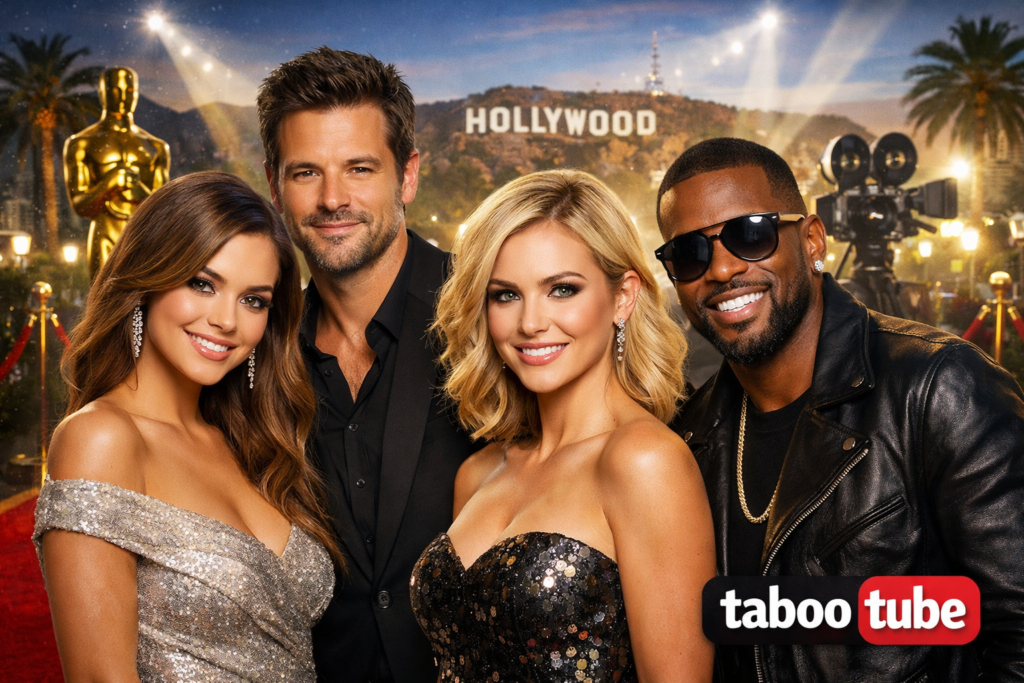
The term “category celebrity” refers to people who have achieved fame and recognition within a specific field or category, such as film, music, sports, or social media. Unlike ordinary public figures, celebrities influence opinions, trends, and culture because people admire, follow, or emulate them. The concept is not limited to one kind of fame; it spans traditional movie stars, musicians, and athletes to digital personalities like YouTubers and Instagram influencers.
For example, Leonardo DiCaprio is a film celebrity known worldwide for his acting, while Cristiano Ronaldo represents sports celebrity, commanding attention both on and off the field. On the digital side, personalities like Charli D’Amelio have become celebrities through social media platforms, showing that celebrity categories are continually evolving.
History & Evolution of Celebrity Culture
The history of celebrity culture stretches back centuries, long before the era of Hollywood and social media. In earlier times, public figures like kings, queens, and nobility were considered celebrities of their era because they captured the attention of people through power, wealth, or influence. With the invention of the printing press and the growth of newspapers in the 17th and 18th centuries, the public began learning about prominent figures outside their local communities. Actors and performers slowly rose to prominence as theaters became popular, while artists and musicians started gaining recognition for their talent, marking the early beginnings of the celebrity categories we see today. The real transformation happened in the 20th century with the rise of cinema and television, which made it possible for actors, singers, and athletes to reach millions of people at once. Figures like Marilyn Monroe, Elvis Presley, and Muhammad Ali became household names, establishing standards for what it meant to be famous and influential across an entire nation and even the world.
The digital era has further revolutionized celebrity culture by creating entirely new categories of fame. With platforms like Instagram, YouTube, TikTok, and Twitch, ordinary individuals can now become global celebrities overnight, challenging traditional ideas of stardom. Social media influencers, for instance, have their own fan bases and can shape trends, consumer behavior, and even political opinions, demonstrating the power of the modern category celebrity. The speed of information sharing, combined with constant media coverage, has intensified public fascination with celebrities, making fame both more accessible and more scrutinized. At the same time, celebrity culture now intersects with lifestyle, fashion, social causes, and branding in ways that were previously unimaginable, showing how the category celebrity is no longer just about talent or achievements, but also about influence, personality, and public presence.
Types of Celebrities in the Celebrity Category
The celebrity category includes a wide range of individuals whose fame comes from different fields, each influencing society in unique ways. Film and television celebrities, for example, often shape popular culture by starring in blockbuster movies or hit TV shows that millions of people watch around the world. Actors like Scarlett Johansson or Dwayne Johnson are admired not only for their performances but also for their personal style, public appearances, and social media presence. Similarly, music celebrities like Beyoncé or BTS influence fashion, lifestyle, and even social movements, as fans emulate their looks, behaviors, and messages. Sports celebrities, including legends like Serena Williams and Lionel Messi, inspire people through their talent, discipline, and achievements, while also having significant commercial power through endorsements and sponsorships. Each of these celebrity types represents a category that holds a specific type of public fascination, showing that fame is not just about being known but about shaping culture, ideas, and social trends in their respective arenas.
In recent years, digital and social media celebrities have emerged as a new category, redefining what it means to be famous. Individuals like Charli D’Amelio, MrBeast, and Addison Rae became household names through platforms such as TikTok, YouTube, and Instagram, demonstrating that celebrity categories are no longer confined to traditional industries. These digital personalities connect directly with their audiences, often sharing personal moments, behind-the-scenes content, and interactive posts that traditional celebrities rarely offer. This type of fame highlights a different kind of influence, where engagement, relatability, and authenticity can be just as powerful as talent or professional achievements. The expansion of celebrity categories also reflects changing societal interests, showing that people are fascinated not only by what someone can do but also by who they are and how they live, making the celebrity category more diverse and dynamic than ever before.
Why People Are Fascinated by the Celebrity Category
The fascination with the celebrity category is deeply rooted in human psychology and social behavior. People are naturally drawn to fame because celebrities often represent ideals, aspirations, and lifestyles that feel exciting or unattainable in everyday life. Observing celebrities allows fans to experience a sense of connection to a world of glamour, success, and influence without personally living it, creating a form of escapism that has existed for centuries. Psychologists have noted that admiration for celebrities can provide emotional rewards, such as inspiration, motivation, and even comfort during difficult times. Fans often follow celebrities closely, tracking their personal lives, fashion choices, and achievements, because it gives them a sense of belonging to a larger community of shared interests and conversations. This fascination extends beyond admiration; it can shape opinions, reinforce cultural norms, and even affect consumer choices, demonstrating the powerful role celebrities play in everyday life and social perception.
At the same time, the modern media environment amplifies this attraction by making celebrity culture highly visible and accessible. Social media platforms, entertainment news outlets, and streaming services provide a constant stream of updates about celebrities, which keeps the public engaged and emotionally invested. This accessibility creates a phenomenon often referred to as celebrity worship syndrome, where some fans become intensely interested in the lives of their favorite stars, sometimes to the point of obsession. Celebrities not only entertain but also influence trends, politics, and social movements, further heightening public interest. For example, when a celebrity like Taylor Swift speaks out on political or social issues, millions of fans pay attention, demonstrating that their influence extends far beyond entertainment. The combination of psychological appeal, accessibility, and social impact ensures that the celebrity category remains one of the most compelling aspects of modern culture, showing why people are consistently fascinated by fame and the individuals who achieve it.
How Celebrity Culture Impacts Society and Pop Culture
The influence of the celebrity category on society and pop culture is profound and far-reaching, affecting everything from fashion trends to social values. Celebrities serve as trendsetters, and the things they wear, the brands they endorse, and the causes they support often become widely popular almost instantly. For example, when a celebrity like Rihanna launches a new fashion line or promotes a beauty product, it can create global demand and shift consumer preferences almost overnight. Beyond consumer trends, celebrities shape cultural norms and ideas about success, beauty, and lifestyle, acting as both mirrors and models for society. Their influence is not limited to entertainment; it permeates social behavior, language, and even political attitudes, demonstrating that the celebrity category is a powerful force that extends well beyond the screen or stage. Pop culture itself is often defined by the activities and achievements of celebrities, as fans adopt their mannerisms, speech, and even values, turning personal fame into collective cultural phenomena.
At the same time, celebrity culture has become an essential driver of economic and social trends, particularly in marketing and social advocacy. Celebrities are frequently used by brands as ambassadors, leveraging their influence to promote products and services, which has created an entire industry around endorsements and influencer marketing. Sports stars, musicians, and actors can command millions in advertising deals simply because their visibility translates into consumer attention and trust. Furthermore, celebrities increasingly participate in social causes and activism, using their platforms to raise awareness about climate change, human rights, or public health issues. Figures like Leonardo DiCaprio, who advocates for environmental protection, or Angelina Jolie, who focuses on humanitarian efforts, demonstrate how celebrity influence can create meaningful social impact. This blend of cultural, economic, and social influence shows that the celebrity category is not only about entertainment but also about shaping society, driving conversations, and inspiring action across the globe.
Celebrity News, Gossip & Media Coverage
The world of celebrity news and gossip plays a major role in how people perceive the celebrity category and how fame spreads in modern culture. Media outlets, entertainment websites, and social media platforms constantly report on the personal and professional lives of celebrities, creating a nonstop stream of information that keeps fans engaged. This coverage ranges from movie premieres and music releases to relationship updates, controversies, and even rumors, often blurring the line between factual reporting and sensationalism. Shows like entertainment news programs and online portals such as TMZ or E! News focus on celebrity lifestyles, shaping public opinion and maintaining the popularity of stars across various categories. The constant visibility of celebrities in news and gossip fosters a sense of intimacy, making fans feel connected to the private lives of individuals they may have never met, which strengthens the emotional bond between the public and the celebrity category.
At the same time, celebrity media coverage has complex effects on both the public and the celebrities themselves. While fans gain entertainment and insight into their favorite stars, the intense scrutiny can create pressure and challenges for celebrities, who must navigate rumors, criticism, and invasive reporting. Social media has amplified this effect, as news spreads rapidly and opinions are formed instantly, sometimes without verification. Yet, this environment also allows celebrities to engage directly with fans, share their own narratives, and even address controversies in real-time, giving them more control over their public image than ever before. Celebrities like Kim Kardashian or Dwayne Johnson skillfully use media coverage to maintain relevance and connect with audiences, demonstrating that news and gossip are not just about curiosity but also about influence, branding, and sustaining a career within the celebrity category.
Behind the Scenes — The Real World of Celebrity Fame
The reality of life in the celebrity category is often very different from the glamorous image seen in the media. While celebrities are admired for their talent, beauty, and influence, they also face immense pressure to maintain their public image and meet the expectations of fans, brands, and the industry. Long working hours, constant travel, and the need to consistently perform at a high level can take a toll on both physical and mental health. Many celebrities struggle with the loss of privacy, as their personal lives are scrutinized and reported on by media outlets and social media users. Even routine activities, such as going to the grocery store or spending time with family, can become challenging when every movement is observed or photographed. This behind-the-scenes reality reveals that fame within the celebrity category is not only about admiration and perks but also about navigating constant public attention and managing personal well-being under pressure.
At the same time, the celebrity world requires careful planning, branding, and public relations to sustain a successful career. Celebrities must balance professional commitments with personal life, maintain positive media relationships, and engage strategically with fans across platforms. For example, stars like Beyoncé and Chris Hemsworth are known not only for their talent but also for their ability to control how they are perceived, carefully crafting their public appearances and social media presence. Mental health challenges, including stress, anxiety, and depression, are increasingly recognized as common among celebrities, prompting many to speak openly about the need for support and self-care. The behind-the-scenes perspective of the celebrity category highlights that fame comes with unique responsibilities, challenges, and sacrifices, showing that the life of a celebrity is complex and demanding, far beyond the red carpets and photo opportunities that fans typically see.
FAQs About the Celebrity Category
People often have many questions about the celebrity category, ranging from how fame is achieved to the impact celebrities have on society. One of the most common questions is, “What makes someone a celebrity?” In simple terms, a celebrity is someone who has gained widespread recognition and influence, often through talent, achievement, or public persona, and who is followed by a large audience. Another common question is, “How is celebrity influence measured?” Influence is not only about popularity but also about the ability to affect opinions, trends, and behaviors. For instance, a celebrity like Oprah Winfrey has immense influence because her endorsements, public statements, and social initiatives can change consumer behavior and public perception worldwide. People also wonder about the difference between traditional celebrities and digital influencers, with the latter category achieving fame primarily through social media platforms, often building a more personal and direct connection with their audience. Understanding these aspects helps clarify the dynamics of the celebrity category and why it continues to captivate global attention.
At the same time, many questions focus on the social and cultural effects of celebrity fame. For example, people often ask, “How do celebrities impact culture and consumer behavior?” The answer lies in the way celebrities set trends, endorse products, and promote causes that resonate with the public. Their lifestyles, fashion choices, and statements often become templates for fans to follow, shaping everything from beauty standards to political opinions. Questions about the pressures of fame, privacy, and mental health are also common, highlighting the complexities behind public adoration. Celebrities like Selena Gomez and Prince Harry have openly discussed mental health challenges and privacy concerns, providing insight into the personal side of the celebrity category. By exploring these frequently asked questions, readers gain a deeper understanding of how celebrities operate within their categories, why society values them, and how the celebrity phenomenon influences everyday life in subtle and profound ways.
Conclusion — The Lasting Power of the Celebrity Category
The celebrity category has proven to be a lasting and evolving part of human culture, shaping not only entertainment but also social trends, consumer behavior, and public discourse. From the early days of royal figures and theater stars to today’s social media influencers, the concept of celebrity has continually adapted to new technologies, media platforms, and societal values. Celebrities hold the power to inspire, entertain, and influence millions of people worldwide, and their actions often extend far beyond their professional achievements. Whether it is through fashion, music, sports, or digital content, individuals in the celebrity category leave a mark on culture, becoming symbols of aspiration, creativity, and influence that resonate across generations. Their ability to shape ideas, trends, and social movements demonstrates that the appeal of fame is both universal and enduring, making the study of the celebrity category an important reflection of society itself.
At the same time, the power of the celebrity category comes with responsibility and scrutiny, reminding us that fame is as complex as it is compelling. Celebrities are constantly observed, analyzed, and discussed, with their successes celebrated and their missteps magnified. This dual nature of celebrity life shows that while fame can bring wealth, admiration, and influence, it also demands resilience, careful management of public perception, and personal sacrifices. As society continues to evolve and technology reshapes how fame is attained and maintained, the celebrity category will remain a dynamic force, reflecting the values, interests, and aspirations of each new generation. Understanding this phenomenon helps us appreciate both the allure and the impact of celebrities, recognizing that their significance goes far beyond entertainment and into the very fabric of cultural identity and human behavior.