Table of Contents
What Is the 500 Calorie HCG Diet Menu?
The 500 calorie HCG diet menu is a very low-calorie diet plan designed to be followed alongside human chorionic gonadotropin (HCG), a hormone that is claimed to support weight loss. This plan is considered part of the strict weight-loss phase of the HCG diet, where daily calories are limited to just 500 to create a rapid fat-burning effect. The idea behind this approach is that the combination of HCG and a very low-calorie intake helps the body burn stored fat while preserving lean muscle. Typically, the 500 calorie HCG diet menu focuses on lean proteins, specific low-calorie fruits, and vegetables, while completely avoiding high-fat, processed, or sugary foods.
While the concept may seem extreme, proponents argue that it is carefully structured to provide essential nutrients in small portions while maximizing weight loss in a short period. The menu is usually paired with specific rules about meal timing, portion control, and approved beverages to ensure safety and effectiveness. It’s important to note that this type of diet is not meant for long-term use, and anyone considering it should consult with a healthcare professional, as consuming only 500 calories a day is far below the typical recommended daily intake and can pose health risks if not monitored properly.
Understanding the HCG Diet Phases
The HCG diet is divided into distinct phases, each designed to guide the body safely through the process of rapid weight loss while minimizing muscle loss and keeping metabolism active. The first phase, known as the loading phase, typically lasts two to three days and is meant to prepare the body for the very low-calorie diet ahead. During this phase, individuals are encouraged to eat higher-calorie, high-fat foods such as cheese, nuts, and meats to “load” fat stores. The purpose is not only to provide energy but also to signal the body that it has sufficient reserves, which proponents believe helps prevent the body from burning lean muscle too quickly once the calorie intake drops. This phase is crucial because it sets the foundation for the weight loss phase, allowing the body to adjust gradually to changes in food intake. Although it might seem counterintuitive to eat more before a diet, the loading phase helps many participants feel less deprived when they start the strict 500 calorie HCG diet menu, as it mentally and physically prepares them for the upcoming calorie restriction.
Following the loading phase is the most intensive part of the program, the 500 calorie HCG diet phase, which can last anywhere from three to six weeks depending on individual goals and health status. During this period, daily calorie intake is restricted to approximately 500 calories, focusing on lean proteins, low-calorie vegetables, and selected fruits, while entirely avoiding sugar, starches, and high-fat foods. The diet is highly structured, and meal portions are strictly measured to ensure that the body receives just enough calories to function while maximizing fat loss. After completing this phase, the diet moves into the maintenance phase, which gradually reintroduces calories and a wider variety of foods to help stabilize weight and prevent rapid regain. The maintenance phase emphasizes careful portion control and healthy food choices, allowing the body to adjust naturally to normal caloric intake. Understanding each phase is essential for anyone following the HCG diet because skipping or mismanaging a phase can reduce results and increase the risk of side effects such as fatigue, nutrient deficiency, or rebound weight gain.
500 Calorie HCG Diet Menu Rules (Daily Guidelines)
Following a 500 calorie HCG diet menu requires strict adherence to specific daily guidelines to ensure both safety and effectiveness. The diet is built around the principle of very low-calorie intake combined with HCG hormone support, so every meal, beverage, and seasoning must comply with the rules to achieve the intended fat-burning results. The daily limit of 500 calories is non-negotiable during the weight-loss phase, and meals are typically divided into two main portions, often lunch and dinner, with the occasional allowance of a small fruit or tea in the morning. Beverages are restricted to water, unsweetened tea, or black coffee, and any additional sugars, creamers, or flavored drinks are strictly prohibited. Seasonings are also limited to herbs, vinegar, and a small amount of lemon juice, while oils, butter, and sauces high in fat are completely avoided. Portion control is emphasized, often requiring precise measurement of proteins and vegetables to maintain the delicate balance of nutrition while staying under the 500-calorie limit. The discipline in following these rules ensures the body relies on stored fat for energy, which is the cornerstone of the HCG diet’s rapid weight loss claims.
In addition to calorie and food restrictions, timing and consistency play a vital role in the 500 calorie HCG diet menu. Meals should be spaced evenly throughout the day, and it is important to eat at the same times each day to help regulate metabolism and minimize hunger pangs. Preparing meals in advance is highly recommended, as it helps avoid impulsive eating or accidental overconsumption. Staying well-hydrated is equally critical, with water intake often recommended at around two liters per day to support metabolism and flush toxins from the body. While the menu may appear extremely restrictive, careful adherence to these rules allows for effective weight loss while maintaining energy levels and minimizing side effects. Understanding and following the daily guidelines of the 500 calorie HCG diet menu is essential for anyone looking to maximize results safely, and skipping or altering these rules can hinder progress or even pose health risks.
What You Can Eat on a 500 Calorie HCG Diet Menu
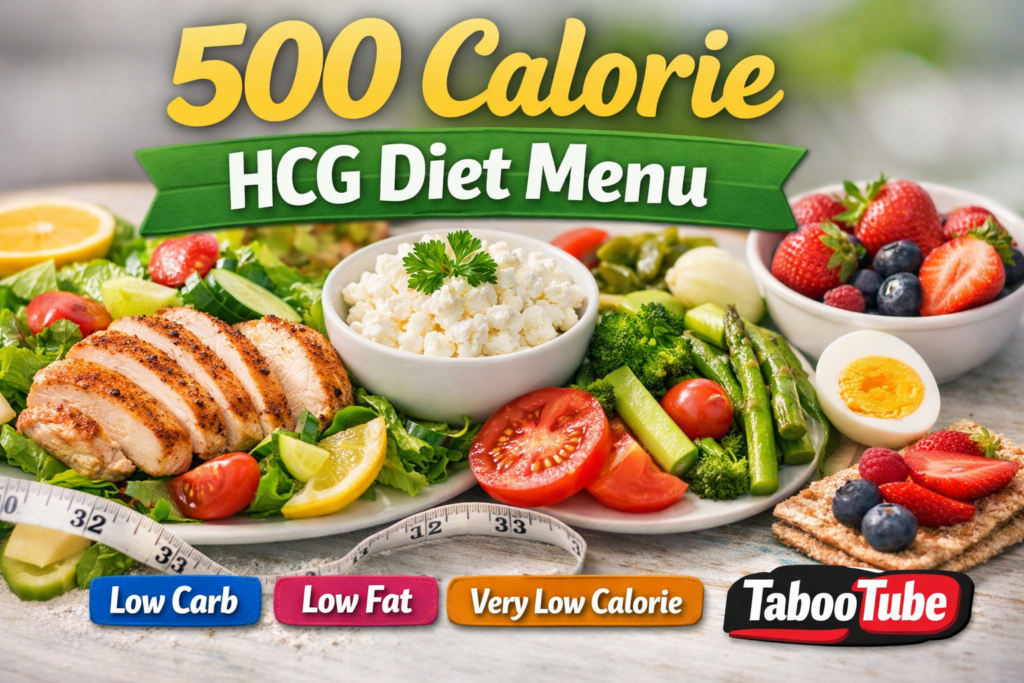
The 500 calorie HCG diet menu is carefully structured around a limited selection of foods that provide essential nutrients while keeping calorie intake extremely low. Proteins are the cornerstone of the diet and typically include lean options such as chicken breast, veal, fresh white fish, shrimp, crab, and egg whites. These protein sources are chosen for their low fat content and high nutritional value, allowing the body to maintain muscle mass while burning fat stores. Vegetables are another essential component and are limited to low-calorie choices like spinach, asparagus, celery, cabbage, and tomatoes. These vegetables provide fiber and vitamins without significantly increasing caloric intake, helping participants feel fuller and supporting digestion during the restrictive phase. Fruits are allowed but in very small portions, usually limited to an apple, half a grapefruit, strawberries, or an orange, ensuring that the total daily calorie count does not exceed 500. Bread and carbohydrates are almost entirely restricted, with only one melba toast or a small breadstick occasionally allowed to help maintain variety in the menu without sabotaging weight-loss efforts.
Beverages are carefully regulated to support the diet while avoiding extra calories, with water being the primary source of hydration, supplemented by unsweetened tea or black coffee. Milk, cream, and sugary drinks are strictly forbidden as they can quickly exceed the daily calorie limit and interfere with fat-burning. Seasonings are limited to herbs, spices, vinegar, and a small amount of lemon juice, providing flavor without adding fat or calories. The restricted food choices may seem challenging at first, but the simplicity helps streamline meal planning and ensures compliance with the diet. By focusing on lean proteins, low-calorie vegetables, and carefully measured fruits, the 500 calorie HCG diet menu is designed to provide just enough energy to sustain daily activities while maximizing fat loss, creating a highly structured and disciplined approach to rapid weight reduction.
Sample 1-Day 500 Calorie HCG Diet Menu
A typical 1-day 500 calorie HCG diet menu demonstrates how strict calorie control can be combined with nutrient-dense foods to support rapid weight loss. For breakfast, many people start with a cup of black coffee or unsweetened tea, often paired with a small portion of allowed fruit such as half a grapefruit or a handful of strawberries. This light start helps awaken the metabolism while keeping calories extremely low, preparing the body for the more substantial lunch and dinner meals. Lunch typically consists of a lean protein, such as a grilled chicken breast or a portion of fresh white fish, paired with a generous serving of low-calorie vegetables like spinach, asparagus, or celery. A small slice of melba toast or a carefully measured breadstick may be added to provide minimal carbohydrates without exceeding the daily 500-calorie limit. Every portion is meticulously measured to ensure compliance with the strict guidelines, as even small deviations can interfere with the diet’s intended fat-burning effects.
Dinner mirrors the structure of lunch, focusing again on lean proteins and low-calorie vegetables, often seasoned with herbs, vinegar, or lemon juice to add flavor without introducing fat. For example, a serving of shrimp or crab can be paired with a side of steamed cabbage or tomato salad, creating a balanced meal that provides essential nutrients while staying within the restrictive calorie threshold. Water intake throughout the day is emphasized, with at least two liters recommended to maintain hydration, support metabolism, and help control hunger. The simplicity of the menu helps prevent decision fatigue and allows participants to follow the diet with minimal distractions or guesswork. Although eating only 500 calories a day can be challenging, careful planning and adherence to the sample menu ensures that the body remains fueled just enough to function, while still tapping into stored fat reserves for weight loss. Many participants report early success when following this type of structured daily plan, as it combines both strict calorie control and the hormonal support claimed to be provided by HCG.
Sample 3-Day or 7-Day 500 Calorie Meal Plan
A 3-day or 7-day 500 calorie HCG diet meal plan provides a structured framework for individuals looking to follow the diet consistently over a longer period, helping to maintain discipline and avoid mistakes that could hinder weight loss. Each day is carefully balanced to include lean proteins, low-calorie vegetables, and small portions of approved fruits, while keeping total daily calories at or below 500. For example, over a three-day period, breakfast may alternate between half a grapefruit with tea on one day and strawberries with black coffee on another, while lunch and dinner rotate between chicken, fish, or shrimp paired with different vegetable combinations. Planning meals in advance and creating a grocery list ensures that participants have all the ingredients on hand, reduces the temptation to stray from the menu, and makes portion control more manageable. By structuring the diet in this way, the body remains in a state of controlled calorie deficit, and participants can focus on consistency, which is key to achieving the rapid weight-loss results often associated with the HCG diet.
Extending the plan to a full seven days allows for even more variety while still adhering to the strict rules of the 500 calorie HCG diet menu. Lean proteins such as veal, crab, or egg whites can be rotated throughout the week, while vegetables like spinach, asparagus, celery, and cabbage are combined in different ways to maintain flavor and interest without adding excess calories. Small fruits and limited carbohydrates such as melba toast are strategically placed to provide minimal variety and prevent boredom, which can be a challenge on such a restrictive diet. Water, black coffee, and unsweetened tea are included throughout each day to maintain hydration and support metabolic processes. Preparing meals in advance, weighing portions accurately, and following a day-by-day structure helps participants remain focused and committed, ensuring that each day contributes to steady fat loss while minimizing the risk of side effects from nutrient deficiencies or improper calorie intake. By using a 3-day or 7-day meal plan, individuals can experience the benefits of a structured 500 calorie HCG diet menu without the confusion or stress of deciding what to eat each day, making adherence more realistic and sustainable.
Tips to Successfully Follow a 500 Calorie HCG Diet Menu
Successfully following a 500 calorie HCG diet menu requires more than just knowing what foods are allowed; it demands discipline, planning, and a clear understanding of how the body reacts to extreme calorie restriction. One of the most important tips is to measure and weigh all portions carefully, as even a small deviation can quickly exceed the daily 500-calorie limit and reduce the effectiveness of the diet. Cooking methods also play a crucial role, with boiling, steaming, or grilling recommended to preserve nutrients while avoiding added fats. Staying hydrated is essential, and drinking at least two liters of water per day can help manage hunger, improve digestion, and support metabolic processes. Many participants also find it helpful to plan meals in advance and prepare them ahead of time, which prevents impulsive eating and ensures that all food adheres to the diet’s strict guidelines. Mental preparation and consistency are just as important, as the low calorie intake can challenge both physical endurance and willpower, especially during the first few days when the body adjusts to the reduced energy supply.
Another key tip for success on the 500 calorie HCG diet menu is to manage hunger and cravings strategically. Including allowed fruits and vegetables throughout the day helps provide fiber and volume, which can make meals feel more satisfying without adding significant calories. Some participants find that drinking water or unsweetened tea when hunger strikes can temporarily suppress appetite and help maintain focus. Avoiding any off-plan foods, even in small amounts, is critical because cheating can interrupt the hormone-supported fat-burning process that the HCG diet aims to create. Incorporating simple lifestyle habits, such as light walking or stretching, can help maintain energy and prevent feelings of fatigue without compromising weight-loss results. Understanding that the diet is temporary and that careful adherence leads to the best results can help participants stay motivated and committed. By combining careful meal preparation, portion control, hydration, and practical strategies to handle hunger, individuals can follow the 500 calorie HCG diet menu successfully and safely, maximizing fat loss while minimizing potential side effects.
Common Questions About the 500 Calorie HCG Diet Menu
Many people considering the 500 calorie HCG diet menu have questions about whether such a low-calorie intake is safe, effective, and sustainable. One of the most common questions is whether it is possible to lose weight on only 500 calories per day. The answer lies in the significant calorie deficit created by the diet, which forces the body to use stored fat for energy. This is the main reason the HCG diet is often associated with rapid weight loss. However, it is important to understand that the diet is extremely restrictive, and the weight loss experienced during this period may not be sustainable without a carefully planned maintenance phase. Another frequent concern is the safety of consuming so few calories. While the diet can be effective for short-term weight loss, prolonged adherence without medical supervision can lead to nutrient deficiencies, fatigue, and other health complications. Experts strongly recommend consulting a healthcare professional before starting this diet, especially for individuals with pre-existing medical conditions, as the low calorie intake may not provide sufficient energy for normal daily activities.
People also ask whether the 500 calorie HCG diet menu can be customized or modified to suit individual preferences. While the menu is strict by design to maximize fat loss, small adjustments such as substituting approved proteins or rotating vegetables are sometimes acceptable as long as the total calories remain within the daily limit. Some may wonder if it is suitable for vegetarians or those with dietary restrictions, which can be challenging because the diet emphasizes lean animal proteins. In such cases, careful planning is required to meet protein needs without exceeding calorie limits. Other common questions include concerns about hunger, cravings, and how to transition off the diet safely. The key is to follow the structured maintenance phase and gradually increase calories while continuing to make healthy food choices. Understanding these common questions and their answers helps participants prepare mentally and physically for the challenges of the 500 calorie HCG diet menu, increasing the likelihood of success and minimizing potential risks associated with such a restrictive eating plan.
Risks, Drawbacks & Safety Tips
While the 500 calorie HCG diet menu can produce rapid weight loss, it is important to understand the potential risks and drawbacks associated with such an extreme and restrictive eating plan. Consuming only 500 calories per day is far below the standard daily caloric needs for adults, which can result in nutrient deficiencies, fatigue, dizziness, and a weakened immune system if followed for an extended period. The HCG hormone itself, often marketed as a weight-loss aid, is not approved by major health authorities like the FDA for this purpose, and many experts question its effectiveness. Because of the strict limitations and the reliance on a hormone supplement, individuals may experience side effects such as irritability, headaches, or low energy, particularly during the first few days as the body adapts to the low-calorie intake. It is also possible to experience rapid rebound weight gain if proper maintenance strategies are not followed after completing the diet. These risks highlight the importance of medical supervision, especially for people with pre-existing health conditions, as well as the need for careful planning to ensure that nutrient needs are met within the severe calorie restriction.
Despite these concerns, safety and success on the 500 calorie HCG diet menu can be improved through practical tips and precautions. Staying well-hydrated, carefully measuring food portions, and preparing meals in advance can help maintain discipline and prevent accidental overconsumption or nutrient gaps. Incorporating approved fruits and vegetables can provide essential vitamins and fiber, while light physical activity such as walking or stretching can support metabolism and help maintain energy levels. Following the structured phases of the HCG diet, including the loading and maintenance phases, is critical to preventing rebound weight gain and helping the body adjust to changes in calorie intake gradually. Consulting with a healthcare professional before starting the diet, closely monitoring physical and mental well-being during the program, and adhering strictly to approved foods and portion sizes can minimize risks and improve the likelihood of achieving desired results safely. Understanding both the potential drawbacks and the strategies to manage them is essential for anyone considering the 500 calorie HCG diet menu, ensuring that weight loss is effective without compromising overall health.
Conclusion — Is the 500 Calorie HCG Diet Menu Right for You?
The 500 calorie HCG diet menu is an extremely restrictive weight-loss approach that combines very low daily calories with specific food choices and the use of the HCG hormone. For those looking to achieve rapid results in a short period, this diet can be effective when carefully followed, providing structured guidance and measurable outcomes. It emphasizes lean proteins, low-calorie vegetables, and small portions of approved fruits, creating a strict framework that helps the body burn stored fat while maintaining muscle mass. However, it is not suitable for everyone, and its extreme nature requires both physical and mental preparation, careful meal planning, and strict adherence to guidelines. The diet’s temporary structure, with its loading, low-calorie, and maintenance phases, is designed to maximize short-term weight loss while aiming to stabilize weight afterward, but it demands discipline, attention to detail, and awareness of potential side effects such as fatigue, nutrient deficiency, or rebound weight gain if the diet is not followed correctly.
Before deciding to follow the 500 calorie HCG diet menu, it is crucial to consider personal health, lifestyle, and weight-loss goals. Consulting a healthcare professional or registered dietitian is strongly recommended to ensure safety, particularly for individuals with medical conditions or those who may be more susceptible to complications from extreme calorie restriction. While the diet offers the promise of fast results, sustainable weight management often requires long-term habits such as balanced eating, regular physical activity, and mindful portion control. For those who are ready to commit to the strict guidelines, understand the risks, and follow the structured phases carefully, the 500 calorie HCG diet menu can serve as a short-term tool to jumpstart weight loss. Ultimately, success depends not only on following the diet but also on transitioning thoughtfully into maintenance and cultivating healthy, sustainable habits that support long-term well-being and prevent the rapid regain of weight.